A final goodbye sealed away: Disney’s vault keeps Robin Williams’ unreleased voice until 2039
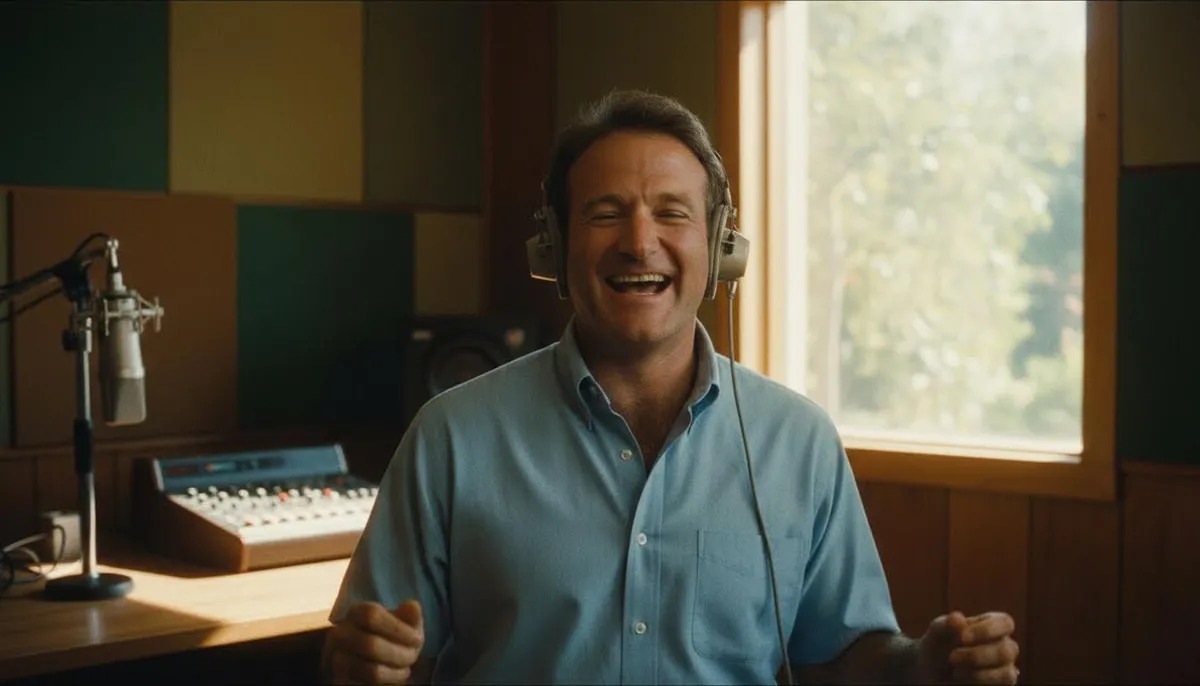
Even after he was gone, Robin Williams set limits on how his voice and image could be used — and for how long.
There’s reportedly a trove of unheard outtakes from Robin Williams ’ marathon recording sessions as the Genie in Aladdin locked away in a Disney vault — the kind of raw material that could fuel a whole new project. But per the terms of Williams’ estate, any plan to build a new movie around those sessions is on ice until 2039, the year a strict posthumous ban on using his voice and likeness lifts. The estate has made just one carve‑out so far, allowing a brief use tied to Disney’s 100th anniversary celebration in 2023.
The 25-year clause
In his will, Williams barred any commercial use of his identity for 25 years after his death. He died in August 2014 at 63, which pushes the restriction to 2039. The prohibition covers:
- His name
- His voice
- His signature
- His photo/likeness
- His recorded performances
A source familiar with the decision summed up the intent behind it this way:
He wanted to have the last word.
The remark was reported by 3DVF in coverage of the estate’s restrictions.
What’s in Disney’s vault
The physical tapes from Williams’ Aladdin sessions belong to Disney, but the company doesn’t have the right to commercially exploit Williams’ voice until the ban expires. Williams’ turn as the Genie was famously freewheeling — he improvised so much that, according to a former Disney official cited by the Sunday Times and reported by Vanity Fair, he could rattle off “30 jokes per minute.” By some estimates, there’s enough unused material to stitch together an entirely new feature. For now, the will blocks that door.
Williams’ history with Disney was spirited long before this. He declined to return for the 1994 direct‑to‑video sequel The Return of Jafar after a public falling‑out with the studio, then reconciled and came back two years later for Aladdin and the King of Thieves.
The guardrails he set also land in the middle of today’s AI worries, as voice‑cloning tools make it easier to imitate performers without consent. Against that backdrop — and a recent flap involving AI imitations of Williams’ voice — the 25‑year blackout serves as a clear, legally binding line.
Practically speaking, any new Aladdin project built around Williams’ unreleased recordings won’t move forward unless the estate authorizes another exception — or until the restriction ends in 2039.