Ryan Condal on 'House of the Dragon' Fire & Blood changes: 'Couldn't keep losing sleep'
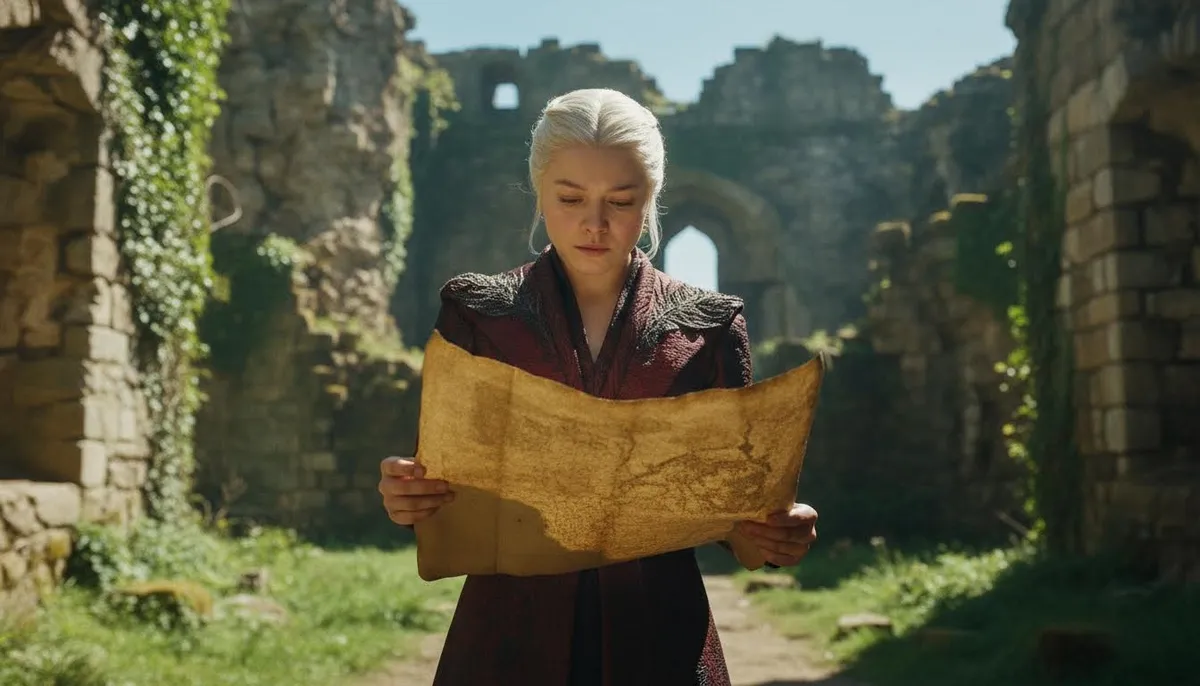
Ryan Condal lays out why House of the Dragon departs from George R.R. Martin’s Fire & Blood—and how it still fits the larger arc.
On screen, House of the Dragon often chooses a single, definitive version of events instead of the clashing accounts fans know from the book. That clarity has come with some big swings: the show deepened Rhaenyra and Alicent’s bond into a formative friendship, introduced a Targaryen prophecy that isn’t in the text, and reshaped battles and a few character fates along the way.
In a new interview with Esquire, showrunner Ryan Condal said he’s made peace with those choices—especially in the stretch between Seasons 2 and 3—because the job is to make a TV drama that works week to week, not a scene-by-scene reenactment of the page.
“Couldn't keep losing sleep over book changes. Still regard this adaptation as tremendously faithful to the overall text and the broad story,”
The source material, Fire & Blood (2018), reads like a disputed history—eyewitnesses contradict each other, and the truth lives in the margins—so the series has had to “pick a lane.” Condal framed the divergences as the kind of compression and reframing you need when you’re condensing decades of Targaryen history as the show moves toward its endgame.
What’s different from the book
- A clearer canon on TV — Where the book offers competing versions, episodes present one concrete chain of events.
- Rhaenyra and Alicent’s past — The series makes them close childhood friends, giving their rivalry more personal stakes.
- Aegon the Conqueror’s dream — The show adds a prophetic through line tied to Aegon the Conqueror, absent from the book.
- Characters shifted or missing — Figures like Maelor Targaryen and Nettles are omitted or altered on screen.
- Battlefields and fates — Some major clashes and outcomes play out differently, even as the larger arc remains the same.
Condal said he ultimately stopped fretting over every tweak between Seasons 2 and 3 and trusted his instincts about what serves the show, while keeping the “broad story” intact. He discussed the approach in an interview with Esquire.