Return to Silent Hill Delivers Chilling Visuals but Stumbles in the Mist
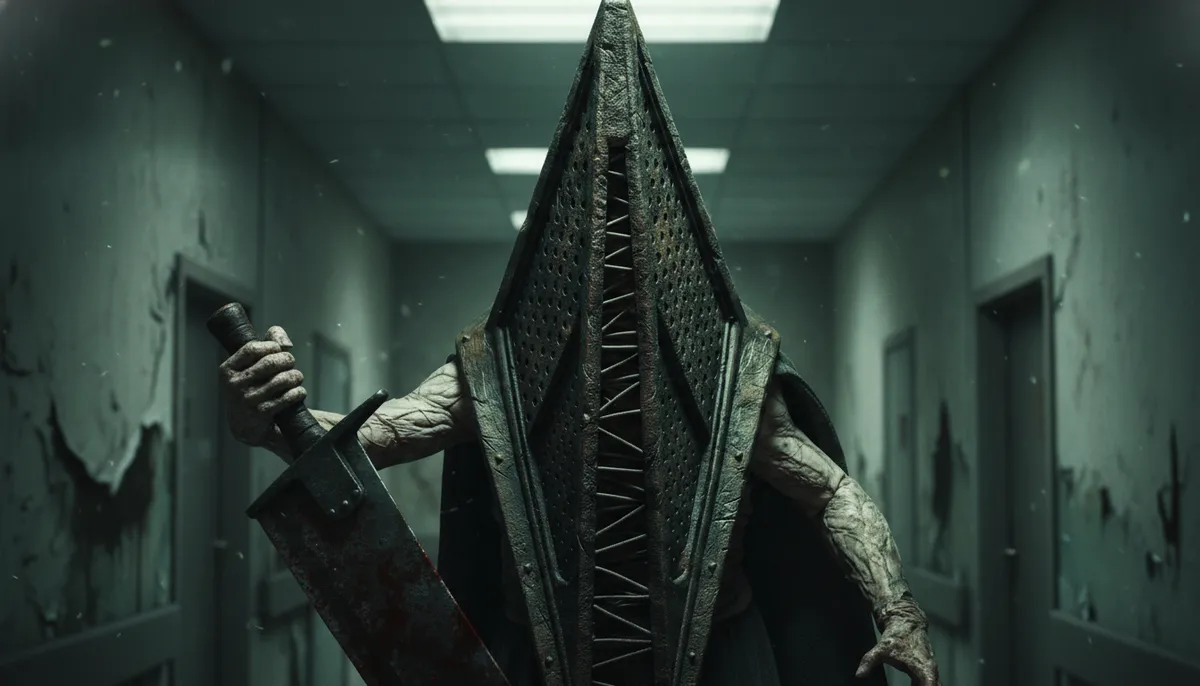
Return to Silent Hill transforms the eerie world of Silent Hill 2 into a visually stunning nightmare, but its haunting atmosphere can't quite mask a story lost in the fog. Discover how this adaptation balances terror and emptiness.
Drawing inspiration from the legendary horror game Silent Hill 2, Return to Silent Hill plunges viewers into a world where dread and decay seep from every frame. The film leans heavily on practical effects, conjuring up grotesque monsters and a suffocating atmosphere that feels ripped straight from the game’s most iconic moments. While the visuals are meticulously crafted and genuinely unsettling, the narrative often gets swallowed by the town’s ever-present fog, leaving audiences with a chilling but hollow experience.
James Sunderland, played by Jeremy Irvine, is a man shattered by grief after losing his wife, Mary. When a cryptic letter arrives, supposedly from Mary, he’s drawn back to Silent Hill—a place now stripped of life, shrouded in mist, and crawling with nightmarish creatures. The once-peaceful town has become a labyrinth of terror, where every shadow hides something monstrous.
Haunting Imagery and Atmospheric Horror
Director Christophe Gans, who helmed the original Silent Hill film two decades ago, returns to this universe with a clear vision. His approach is painterly, filling the screen with muted tones and a sense of mythic decay. The opening scenes burst with color and warmth, only to be quickly replaced by a bleak, oppressive palette that mirrors James’s emotional descent. This visual contrast is striking, but it ’s also the main source of character development, as the film rarely digs deeper into James’s psyche beyond his initial heartbreak.
The adaptation faces the same challenge as many video game movies: condensing hours of gameplay into a tight two-hour runtime. As a result, the story moves briskly from one set piece to the next, often prioritizing spectacle over substance. The film’s greatest strength lies in its commitment to practical effects, which bring the town’s grotesque inhabitants to life with disturbing realism. The horror here is more about mood and tension than cheap jump scares, immersing viewers in a waking nightmare that’s as beautiful as it is unsettling.
Faithful to the Game, Yet Emotionally Distant
Gans’s deep respect for the source material is evident in every detail, from the design of the monsters to the eerie, deserted streets. Fans of the game will recognize the care taken to recreate the world of Silent Hill, and the film’s dedication to authenticity is impressive. James’s journey through the town feels like a twisted ballet, each encounter with a new horror reflecting his inner turmoil and loss. The experience is visceral, but the emotional core remains thin, with little growth or change for the characters as the story unfolds.
The pacing is dreamlike, lulling viewers into a sense of unease that never quite lets up. While the film succeeds in capturing the feeling of being trapped in a nightmare, it struggles to make that nightmare compelling for those watching. The emptiness that pervades the story may be intentional, but it leaves the audience wanting more substance beneath the surface.
Visual Mastery Overshadows Narrative Depth
Return to Silent Hill stands out for its technical achievements and its ability to evoke genuine fear through atmosphere and design. The monsters are unforgettable, and the town itself becomes a character, alive with menace and mystery. Yet, for all its visual power, the film can’t escape the sense that something vital is missing. The story, much like the fog that blankets Silent Hill, obscures rather than reveals, leaving viewers with a haunting vision that’s as confusing as it is frightening.