CBS Canceled a 5-Part Sci-Fi Masterpiece — Then HBO's Perfect Replacement Fell Apart
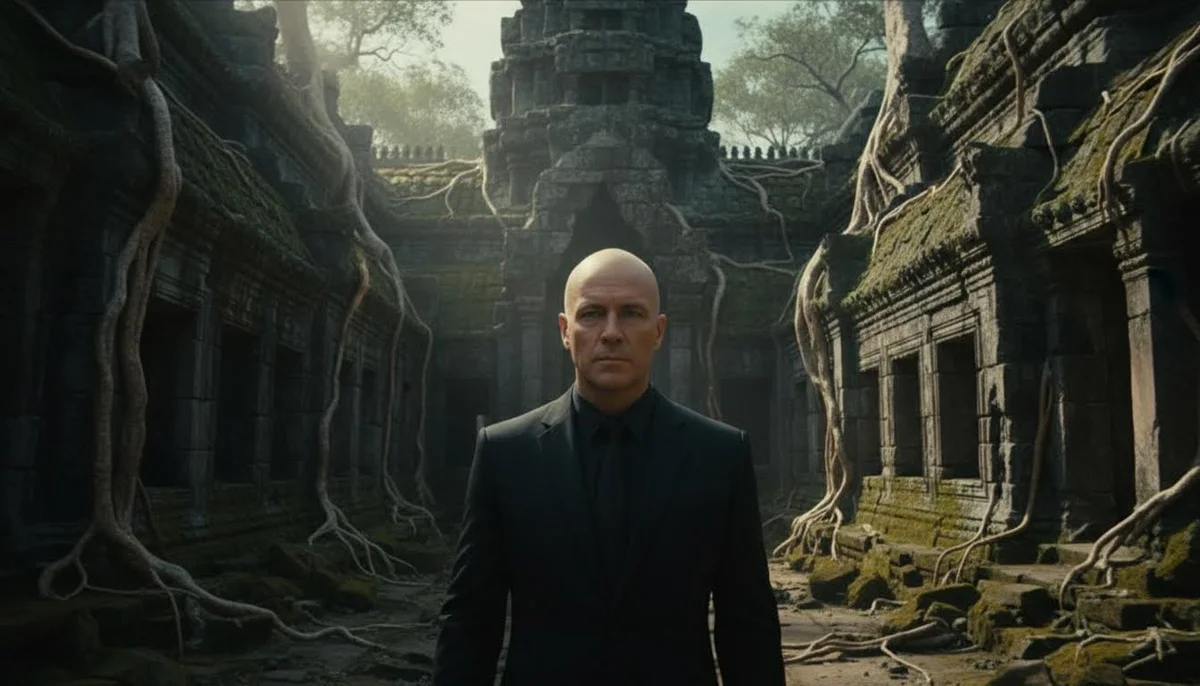
Television’s cruel ritual continues: nurture a show into brilliance, then pull the plug. Few stings hurt like Person of Interest, one of sci-fi’s smartest and most overlooked, axed after five seasons.
TV loves to nurture something special and then act annoyed it exists. Case in point: Person of Interest quietly evolved from a network procedural into one of the smartest sci-fi thrillers on TV, only for CBS to treat it like a scheduling inconvenience. Then along came Westworld, which had the budget, the freedom, and the same co-creator to do it all bigger. For a while, it did. And then it didn’t.
Person of Interest: the show that started simple and became essential
Person of Interest premiered in 2011 looking like a standard crime- of-the-week. The hook: a reclusive billionaire, Harold Finch, builds an AI that scours data and camera feeds to predict violent crimes, then recruits an ex-operative to stop them before they happen. That was the sales pitch.
The reality was a long game. Season by season, the series widened from crime prevention to a full-on paranoid thriller about surveillance, technology, and what happens when a machine watches everything. By the end, it had turned into a Cold War style standoff between rival AIs, digital espionage, and governments eager to weaponize code. It never lost the people at the center: Finch wasn’t just the brain, Reese wasn’t just the bruiser, and Root and Shaw weren’t just late-arriving fan service. Everyone had scars, contradictions, and consequences.
Did CBS recognize what it had? Not really. The show did get time to wrap things up, but it was shuffled around and treated like an obligation on the way out. Irony alert: its themes have only aged better. Few series from that era look more prescient.
Westworld: HBO takes the ball and sprints for the end zone
Soon after Person of Interest bowed out, HBO rolled out Westworld in 2016 with creators Jonathan Nolan (yep, the same mind behind POI) and Lisa Joy. HBO’s production values were exactly what you’d expect: next-level polish. The premise, adapted from the 1973 film, felt engineered for modern obsession. There’s a lavish theme park built to play out Wild West fantasies, stocked with eerily lifelike androids programmed to obey, suffer, and reset every day. Some of those hosts start remembering. Some want out. Cue questions about free will, manipulation, identity, and the cost of control.
It looked like the fix for everything CBS fumbled: prestige-scale budget, creative freedom, and a network that understands how to handle ambitious genre. The first season delivered. It was atmospheric, sharply cast, and dense enough to spawn weekly theories without collapsing. For a few years, the buzz was massive, drawing comparisons to the peak-era cultural wave around Game of Thrones. Underneath the gloss, you could see the Person of Interest DNA: fear of the unseen hand, technology as overlord, and the constant question of what makes us human. Still relevant now, maybe more so.
Where Westworld lost the thread
Then came the choice POI never made: Westworld started prioritizing the puzzle over the story. Mystery is great until it becomes the only point. By Season 2, the show felt determined to be opaque, as if clarity were a weakness, and the tilt showed.
- The timelines sprawled and tangled, and twists increasingly felt designed to shock more than to build anything lasting.
- Leaving the park was the big swing that cost the show its edge. Inside, violence had rules, loops made sense, and the hosts lived inside a brutal closed system. Outside, it often played like another dystopia about corporations, neon skylines, and social control.
- The craft stayed gorgeous and the ideas kept coming, but the uniqueness thinned. The series traded identity for scale.
- Characters started serving plot gymnastics instead of the other way around. Deaths, returns, and reveals turned into routine maintenance.
- Complexity shifted from a byproduct of the story to the strategy itself. Person of Interest got dense because it had to; Westworld seemed intent on outsmarting its audience, which is an exhausting long-term plan.
- Viewers stuck around looking for payoff, emotional momentum, and a steady hand. Instead, the maze kept redrawing itself.
- Eventually the ratings dipped. Add a sky-high budget and HBO’s changing priorities, and the cancellation followed.
Here’s the industry-nerd wrinkle: Westworld had almost everything Person of Interest didn’t — money, freedom, a platform built for big swings — and still wound up undone by its own cleverness. Meanwhile, POI used broadcast limitations to its advantage, pacing the reveal and keeping the human stakes front and center.
Two shows, opposite trajectories
Person of Interest started small, gained confidence, and stuck the landing with a story that knew exactly what it was. Westworld began as a knockout and drifted into an elaborate maze that forgot why we entered it. The lesson isn’t that ambition is bad; it’s that the greats know which story they’re telling. POI did. Westworld, after a while, seemed to be figuring it out right alongside the audience. Sometimes, less really is more.