John Carpenter Slams Studio for Ruining His Original Vision
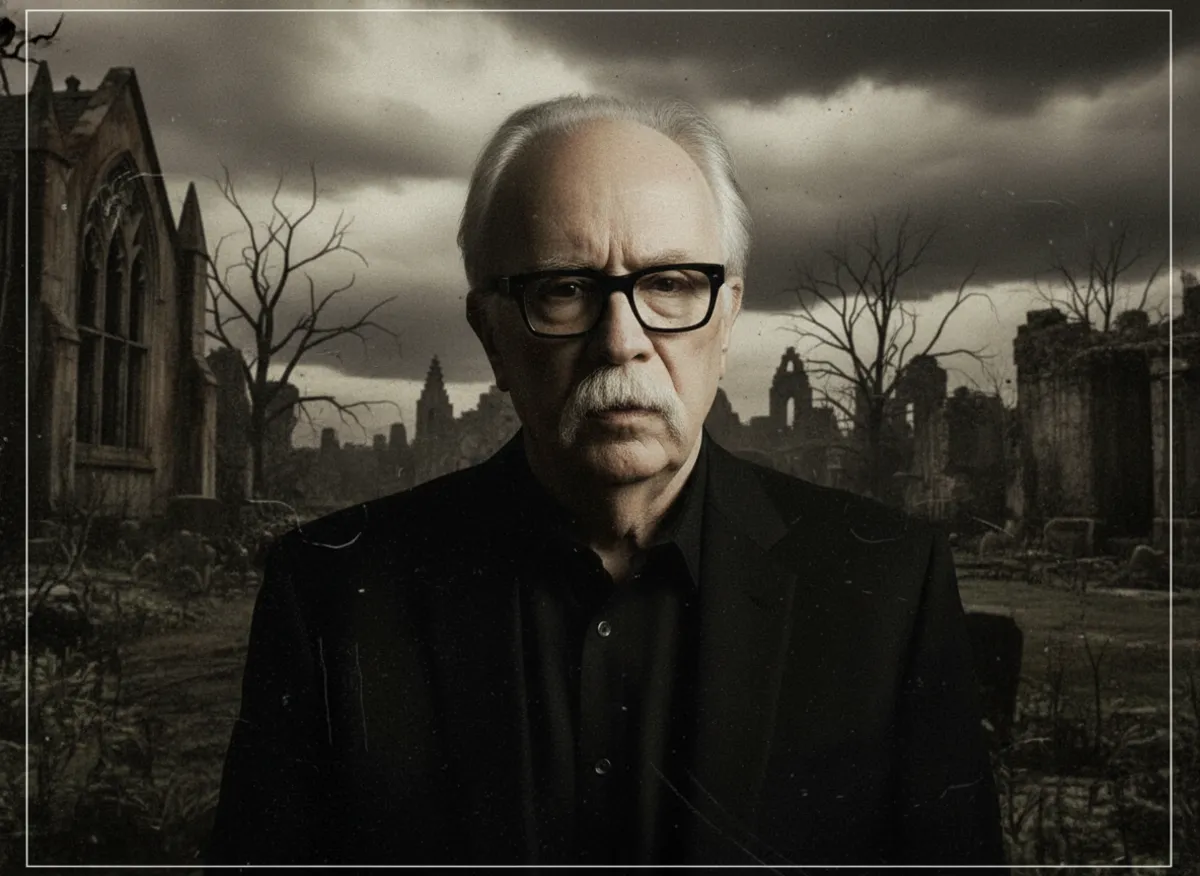
John Carpenter opens up about the battles he faced with studios meddling in his films, especially the frustration over 'Eyes of Laura Mars' and how interference destroyed what he intended.
John Carpenter, the legendary filmmaker behind some of the most influential genre movies, has never been a stranger to studio interference. Despite his reputation for delivering cult favorites, Carpenter often found himself at odds with Hollywood executives who couldn’t resist tinkering with his work. While films like 'Assault on Precinct 13,' 'Halloween,' 'Escape from New York,' and 'The Thing' proved his ability to create cinematic magic when left to his own devices, his experiences with major studios grew increasingly disheartening over time.
One notable example was 20th Century Fox’s confusion over 'Big Trouble in Little China, ' which led to unwanted meddling. But it was Carpenter’s experience with New Line Cinema on 'In the Mouth of Madness' that truly soured him. He recalled,
“the head of the studio wanted to gut it and throw it out, said it didn’t work.”
After that, even though his later films were distributed by big studios, most were financed independently or through smaller companies, a move that reflected his growing frustration with the system.
Early Frustrations and Creative Clashes
Carpenter’s struggles with studio interference began early in his career. After finishing his first feature, 'Dark Star,' producer Jack H Harris optioned an 11-page treatment Carpenter had written, titled 'Eyes.' When Columbia Pictures picked up the project, Carpenter was asked to write a full screenplay. However, his drafts were heavily rewritten by David Zelag Goodman before the film, eventually titled 'Eyes of Laura Mars,' went into production.
The final film starred Faye Dunaway as a fashion photographer who suddenly gains the ability to see through the eyes of a serial killer. As her friends and colleagues become targets, she works with the NYPD to catch the murderer, even though she has no idea who the killer is. But Carpenter was deeply disappointed with how his original concept was altered.
Lost Suspense and Studio Decisions
Carpenter explained,
“They got some things wrong, I thought. The original idea was that, for whatever reason, you can make it psychic, whatever, this woman begins to see through the eyes of a murderer. If that were true, if that really happened, all sorts of things would happen to her. When the killer moved, she wouldn’t be able to. She’d be on the floor, fall over. It would be a visual that’s not controlled by her.”
He was frustrated that these suspenseful elements were stripped away, robbing the story of its tension and originality.
He summed up his feelings bluntly:
“They just fucked it up in that sense. The explanation was on a TV set, I remember. They pointed to it. ‘I see this’. Come on.”
Carpenter’s only credit on 'Eyes of Laura Mars' was as a co-writer, and he was never considered to direct. Still, the experience left a bitter taste.
“It wasn’t a pleasant experience,”
he admitted.
“The original script was very good, I thought.”
Once the project was out of his hands, Carpenter felt,
“It got shat upon.”